
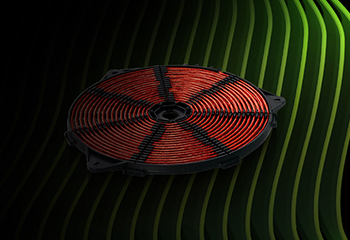






As we approach 2026, induction technology is undergoing a seismic shift. No longer confined to traditional metal processing, the latest advancements in induction heating are revolutionizing both heavy industry and modern kitchen appliances.
Based on current industry trajectories, we’ve identified the core trends that will define efficiency, sustainability, and performance in the coming year.
1. Intelligence & Digitalization: Beyond Simple Heating
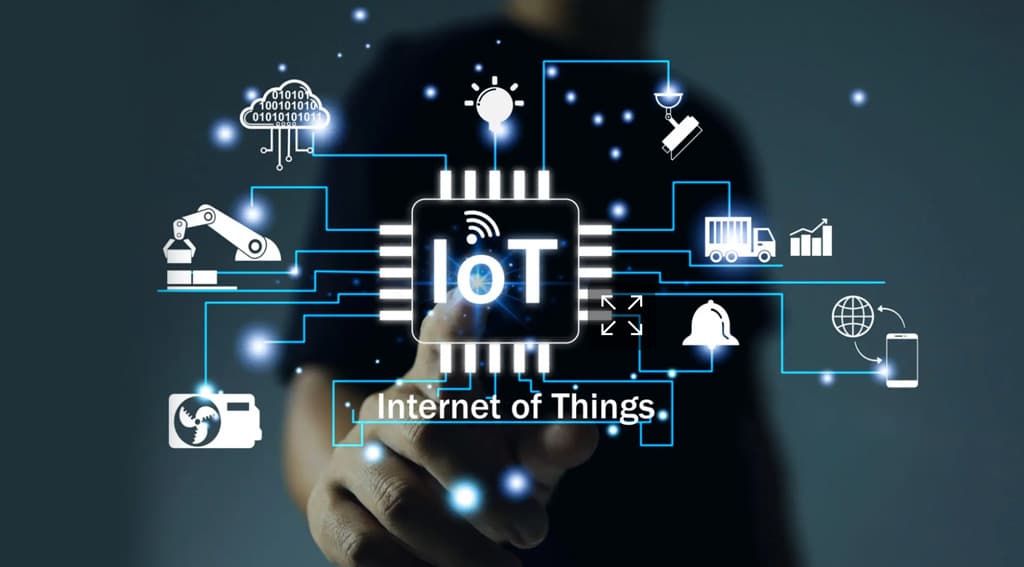
The most significant trend in induction heating is the transition from “analog” to “smart.” In 2026, AI is not just a buzzword; it is the brain behind the coil.
- Smart Feedback Loops: Modern induction technology now incorporates real-time data analytics. Systems can automatically adjust power frequency based on the material’s magnetic permeability.
- Predictive Maintenance: For industrial users, this means minimizing downtime. Sensors now monitor the health of induction coils and power modules, alerting operators before a failure occurs.
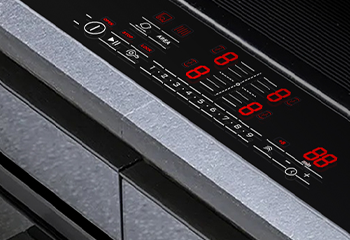
- User-Centric Induction Cooktops: In the domestic sphere, this intelligence manifests as precision temperature control that prevents overheating, ensuring 100% safety and energy savings.
2. Green Energy & The Decarbonization Push
The global drive toward “Net Zero” has placed induction heating at the center of the industrial energy transition.
- Replacing Fossil Fuels: Industry is rapidly swapping gas furnaces for high-efficiency induction technology. Unlike gas, induction produces zero localized CO2 emissions.
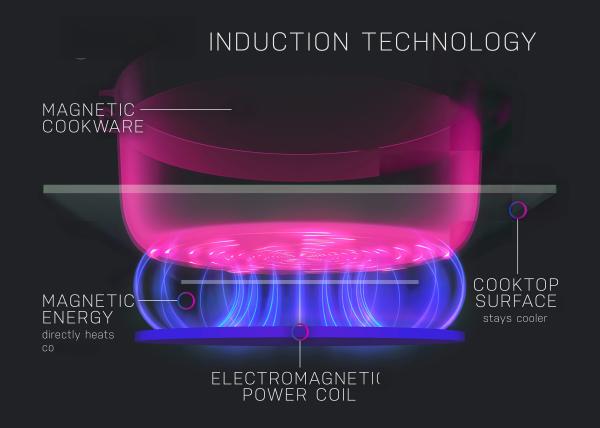
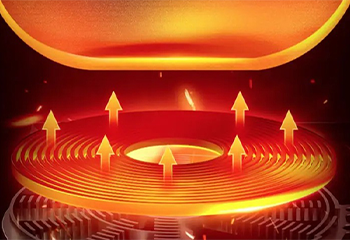
- Superior Thermal Efficiency: While traditional heating methods lose significant energy to the surrounding air, induction transfers energy directly to the workpiece. This results in a thermal efficiency often exceeding 90%.
- Sustainability in the Kitchen: For homeowners, switching to an induction cooktop is the most effective way to “electrify” their home, reducing reliance on natural gas and improving indoor air quality.

3. High-Frequency Innovation: SiC Power Electronics
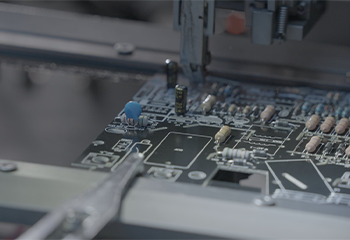
The internal hardware of induction systems is being reimagined. The adoption of Silicon Carbide (SiC) power modules is a game-changer for 2026.
- Compact & Powerful: SiC allows for higher switching frequencies, which means induction heating units can be smaller and more portable without sacrificing power output.
- Minimized Heat Loss: These advanced semiconductors reduce internal energy dissipation, meaning more power goes into the heating process and less into cooling the machine.
- Versatility: This technology enables induction cooktops to have thinner profiles and quieter cooling fans, meeting the aesthetic and functional demands of modern design.
4. The Rise of All-Surface Induction Technology
The boundary between the “heating element” and the “work surface” is blurring.
- Industrial Flexibility: New modular induction technology allows for custom-shaped coils that can wrap around complex geometries, providing uniform heating for irregular metal parts.
- Full-Zone Induction Cooktops: We are seeing a move toward “boundaryless” cooking. Use any part of the cooktop surface; the system uses electromagnetic induction to detect the pan’s size and shape automatically, activating only the necessary area via eddy currents.

5. Global Standardization and Safety
As induction technology becomes mainstream, 2026 will see stricter global standards for electromagnetic compatibility (EMC) and safety.
- Enhanced Shielding: New designs focus on minimizing stray magnetic fields, ensuring that industrial induction heating environments are safer for operators.
- Interoperability: Standardized communication protocols (like Modbus or IoT-cloud integration) allow induction systems to be seamlessly integrated into “Smart Factory” ecosystems.
| Feature | Modern Induction Technology | Traditional Heating (Gas/Resistive) |
| Energy Transfer | Direct (Eddy Currents) | Indirect (Convection/Radiation) |
| Startup Time | Instantaneous | Required Warm-up Period |
| Precision | Digital/AI Controlled | Analog/Manual |
| Environmental Impact | Zero Carbon Potential | High CO2 Emissions |
Final Expert Verdict for 2026
The evolution of induction heating is driven by the dual needs of industrial efficiency and consumer convenience. Whether you are optimizing a high-volume production line or selecting a high-end induction cooktop for a smart home, the focus remains the same: maximizing thermal efficiency through intelligent induction technology.