




For decades, the debate between gas and electric cooking has been a stalemate. Professional chefs praised the visual control and raw power of gas, while early induction adopters enjoyed safety and easy cleaning but often struggled with electrical limitations.
In 2024, the landscape of induction technology has shifted. The emergence of battery-integrated induction cooktops is not just an incremental update—it’s a radical engineering breakthrough that solves the three biggest barriers to home electrification: power, precision, and infrastructure.
1. Beyond the 240V Barrier: The Battery Advantage
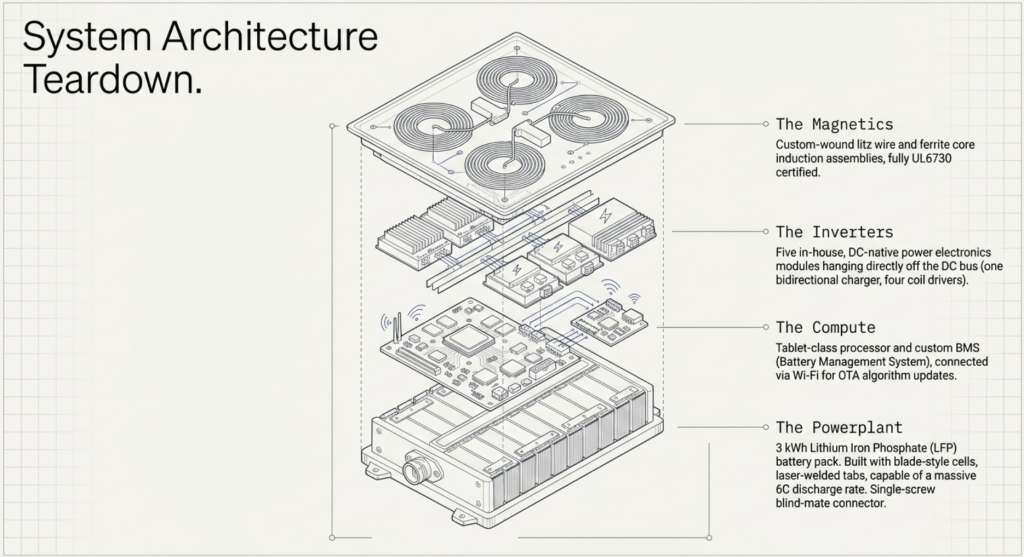
One of the most significant friction points in switching to an induction cooktop has always been the electrical panel. Most high-performance stoves require a 240V outlet, which can cost thousands of dollars to install in older homes.
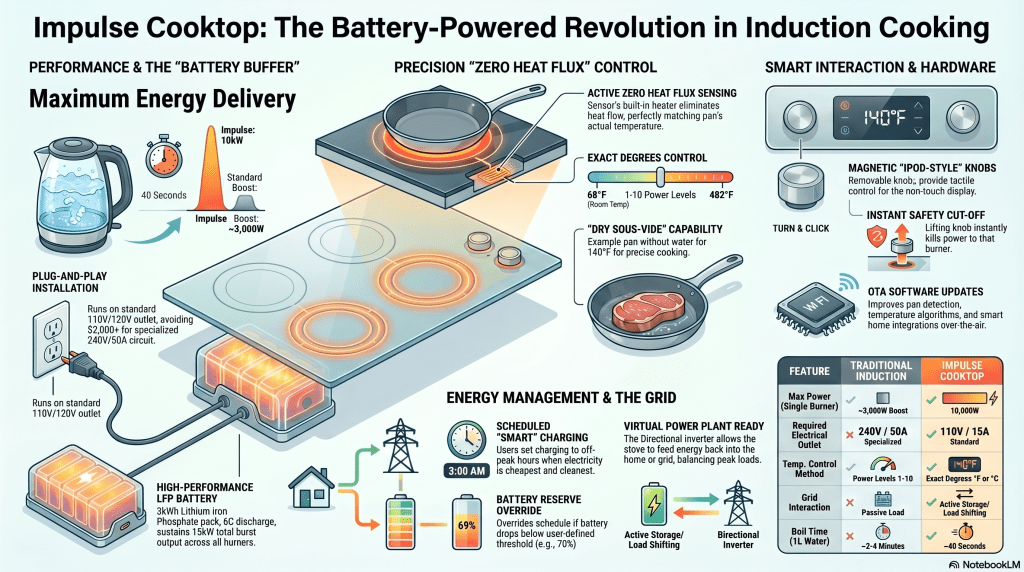
Modern engineering, pioneered by innovators like Impulse Labs, has introduced a “Buffer” system. By integrating a high-performance battery into the appliance, the cooktop can:
- Plug into a standard 120V outlet: No expensive rewiring required.
- Store Energy: The battery trickle-charges when the stove is idle.
- Surge Power: When you need to sear a steak or boil water, the battery discharges to deliver up to 10,000 watts of power—nearly 5x the effective power of a high-end gas burner.

2. Unprecedented Precision: From 68°F to 482°F
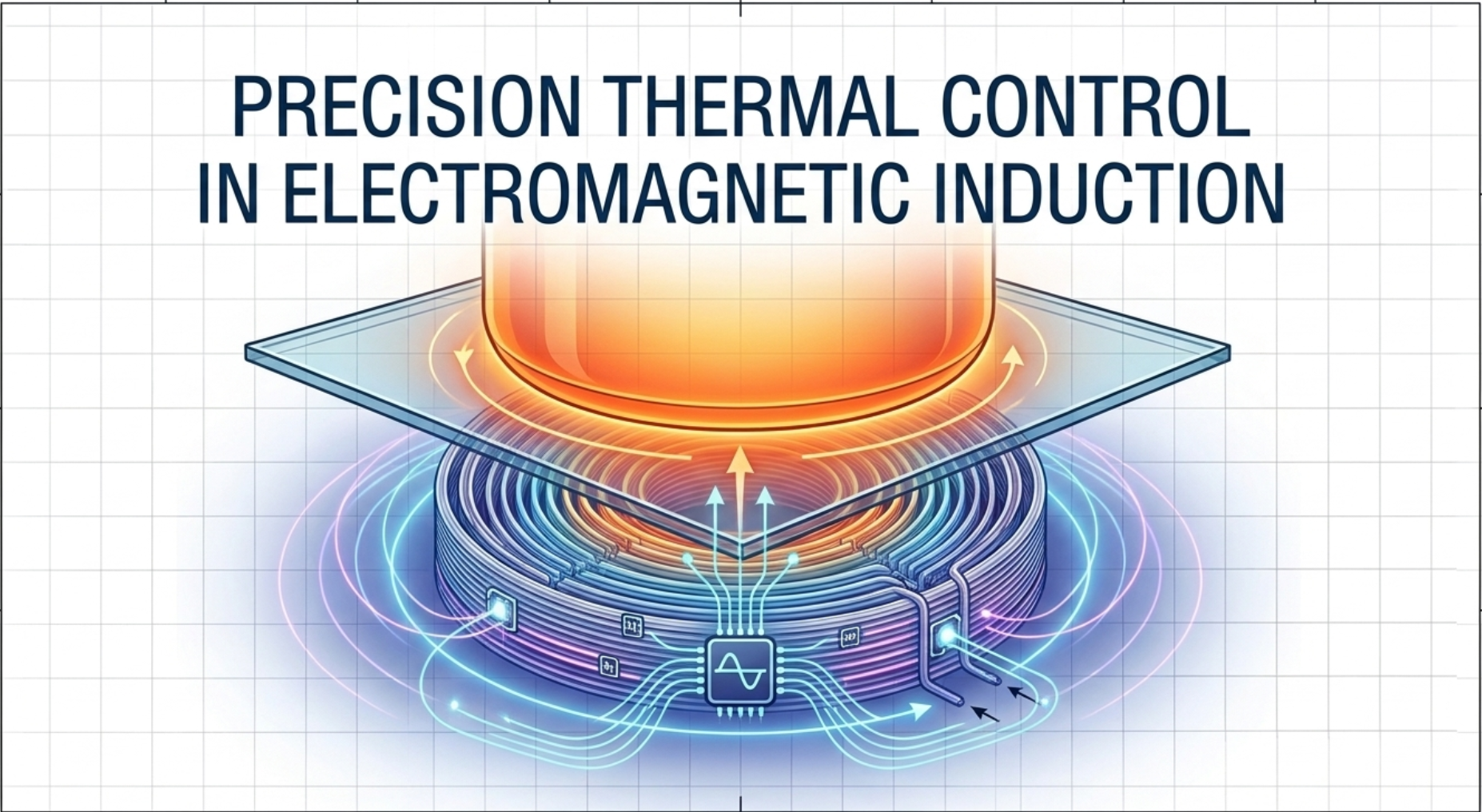
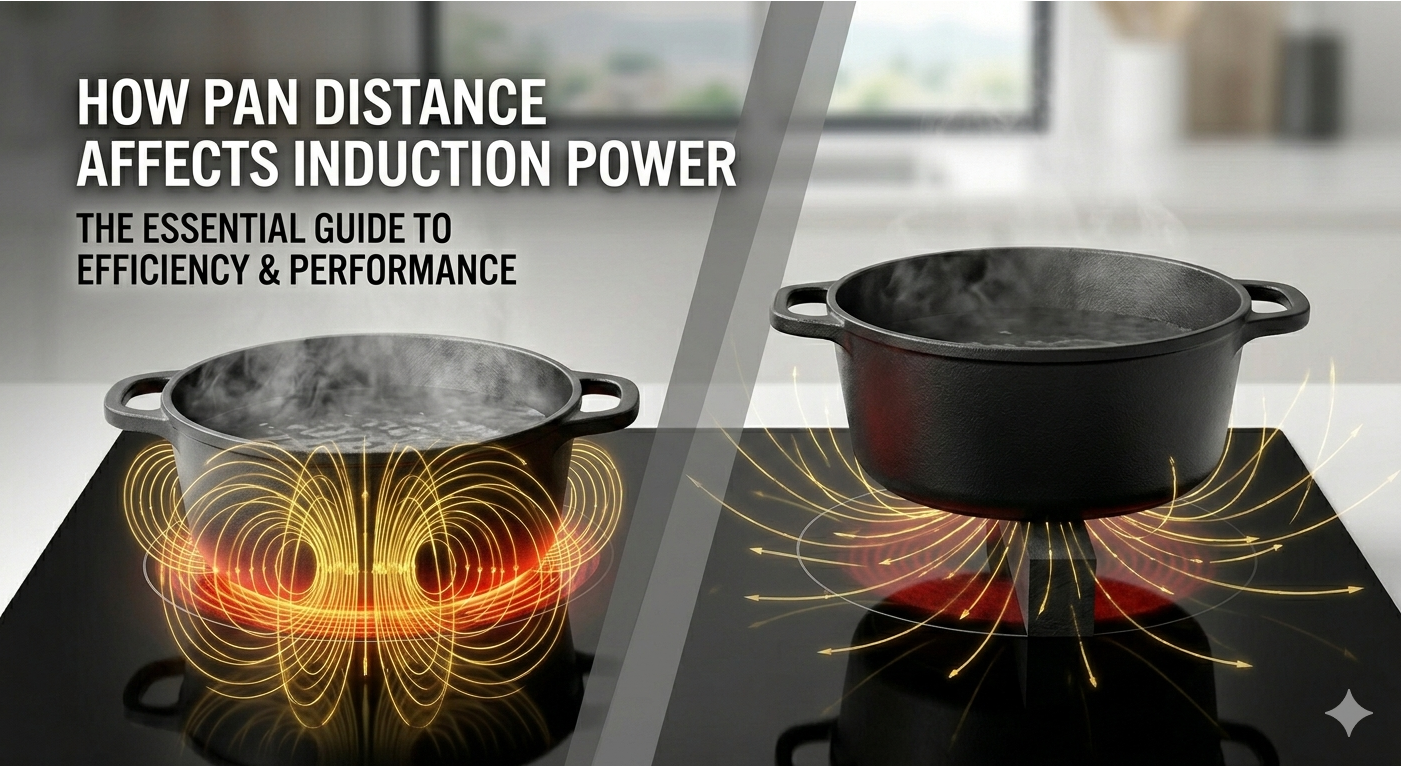
Precision in induction heating is governed by how effectively the system manages magnetic fields. Traditional induction stoves often “pulse” on and off at low settings, making it difficult to melt chocolate or simmer delicate sauces.
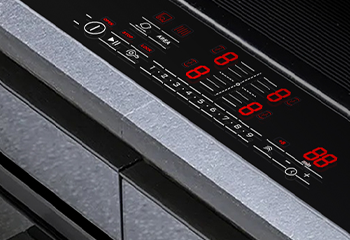
The next generation of induction technology uses Active Temperature Sensing. These sensors are sealed and depressed directly against the cookware, providing real-time feedback to the power electronics. This allows for single-degree precision, transforming the cooktop into a tool as accurate as a laboratory sous-vide circulator.
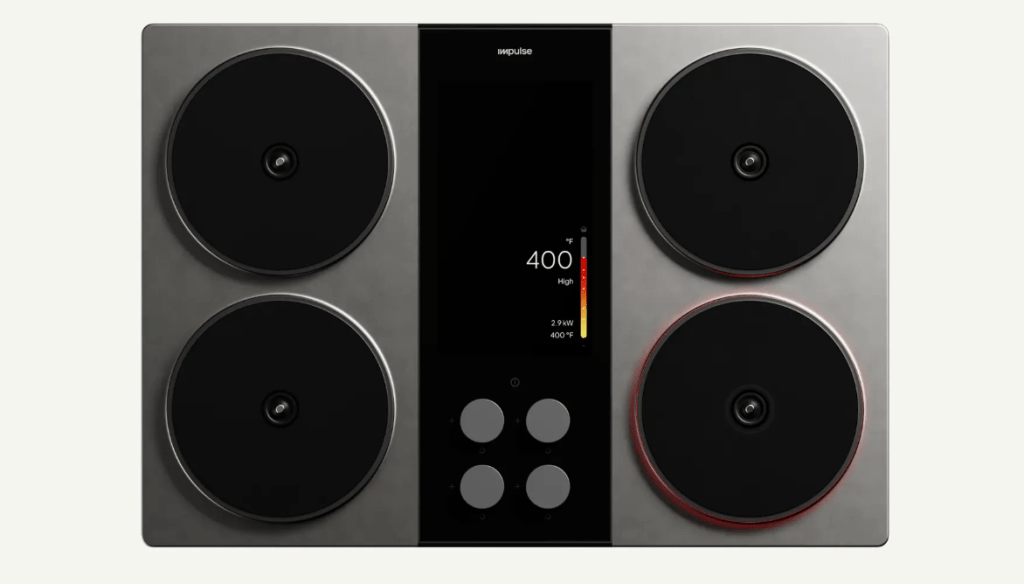
3. Solving the “Wok Hei” Challenge with Induction Technology
The biggest myth about induction is that it’s incompatible with Asian-style cooking. Because induction requires direct contact with a flat surface, the traditional round-bottom wok was long considered a “deal-breaker.”
Enter the Induction Wok Ring. This is not just a stand; it is a piece of specialized engineering. While the ring itself is made of non-magnetic aluminum (so it doesn’t heat up), it is designed to route the magnetic field up the sides of the wok. This creates a “Wireless Charging” effect for heat, allowing you to achieve the coveted Wok Hei (breath of the wok) through high-heat oil carbonization, all without an open flame.
4. Efficiency and Sustainability: The Thermal Edge
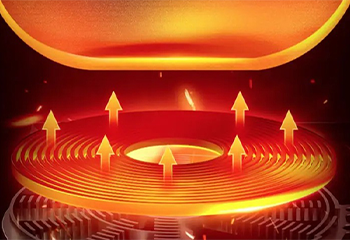
When we talk about thermal efficiency, gas stoves are surprisingly wasteful, losing about 60% of their heat to the ambient air. In contrast, electromagnetic induction creates heat directly within the pan.
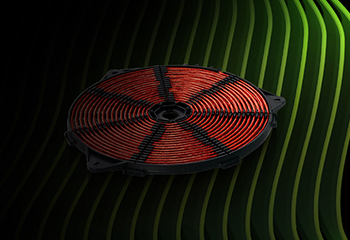
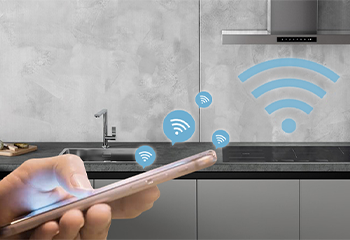
By optimizing the “Pan Detection” algorithms and using high-density copper coils, modern induction technology achieves over 85-90% efficiency. Furthermore, with Over-the-Air (OTA) updates, these appliances are “Future-Proof.” Much like a Tesla, your cooktop’s performance, safety features, and user interface can be improved via software long after it has been installed in your kitchen.
5. Is it Time to Switch?
The choice to move to an induction cooktop is no longer just about being “green.” It’s about performance. Whether it’s the safety of a surface that stays cool to the touch, the ability to boil a liter of water in 40 seconds, or the tactile joy of a removable magnetic knob, induction is now the superior technology for the modern home.