

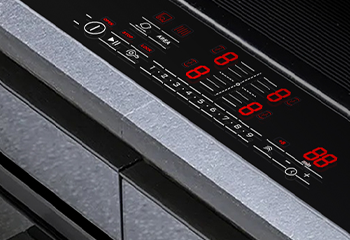




For decades, traditional heating methods relied on an external flame or an exposed electrical resistance element to transfer heat to an object. Whether forging heavy steel beams in a factory or boiling water on a kitchen range, this approach always suffered from the same core drawback: massive energy loss to the surrounding air.
Today, induction technology has fundamentally altered this paradigm. By turning the targeted object itself into the heat source through non-contact electromagnetic fields, induction provides unparalleled precision, unmatched speed, and exceptional energy efficiency.
Let’s dive into the core mechanisms behind induction heating and look at how this foundational concept powers everything from massive industrial forging setups to the sleek induction cooktop sitting in modern kitchens.
How Induction Heating Works: Direct-to-Source Thermal Power
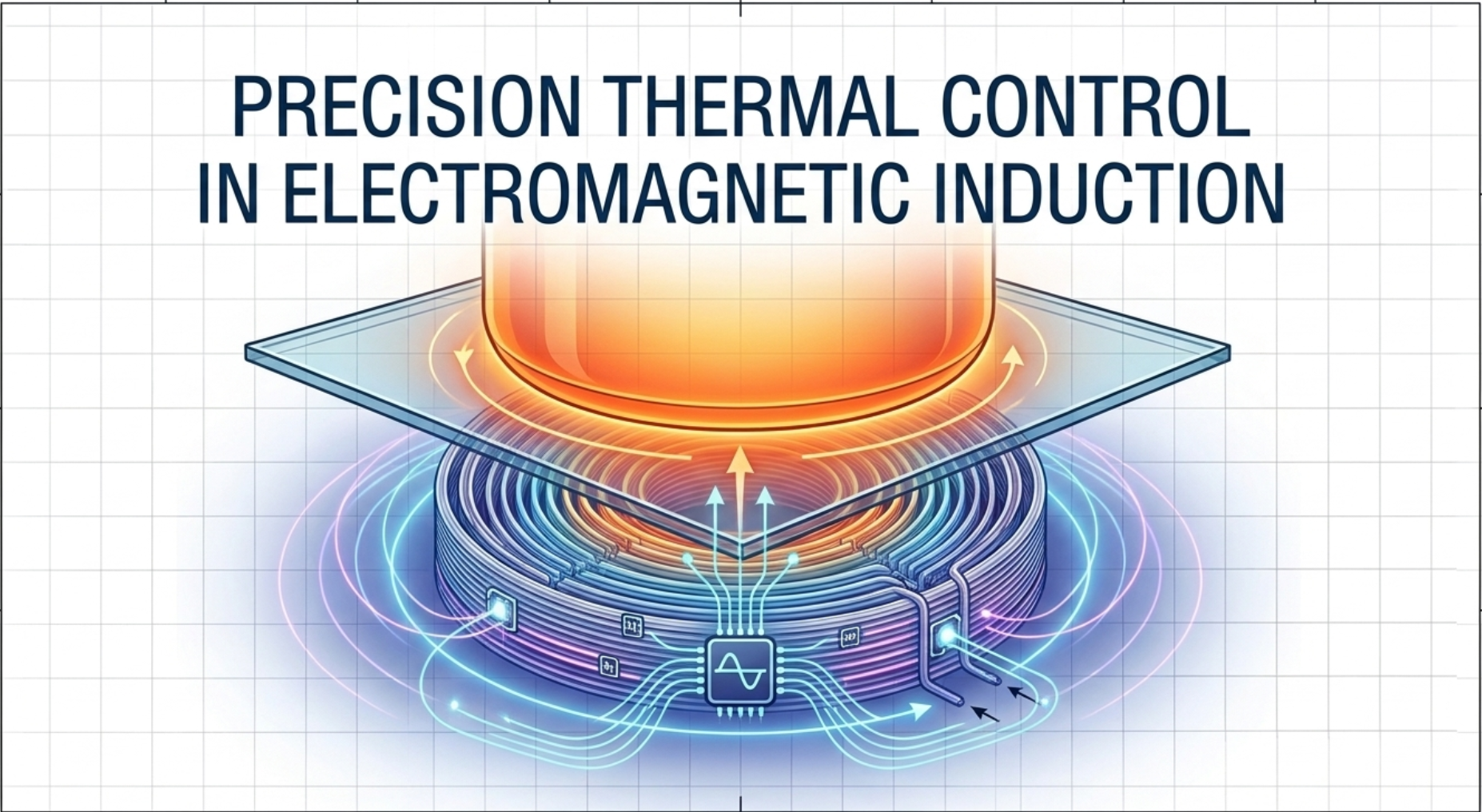
At its core, an induction system bypasses the middleman. Instead of heating an element and waiting for that heat to slowly conduct outward, this system utilizes the power of electromagnetism.
The process unfolds in a clean, rapid sequence:
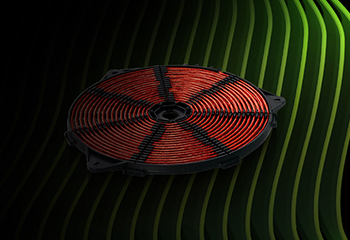
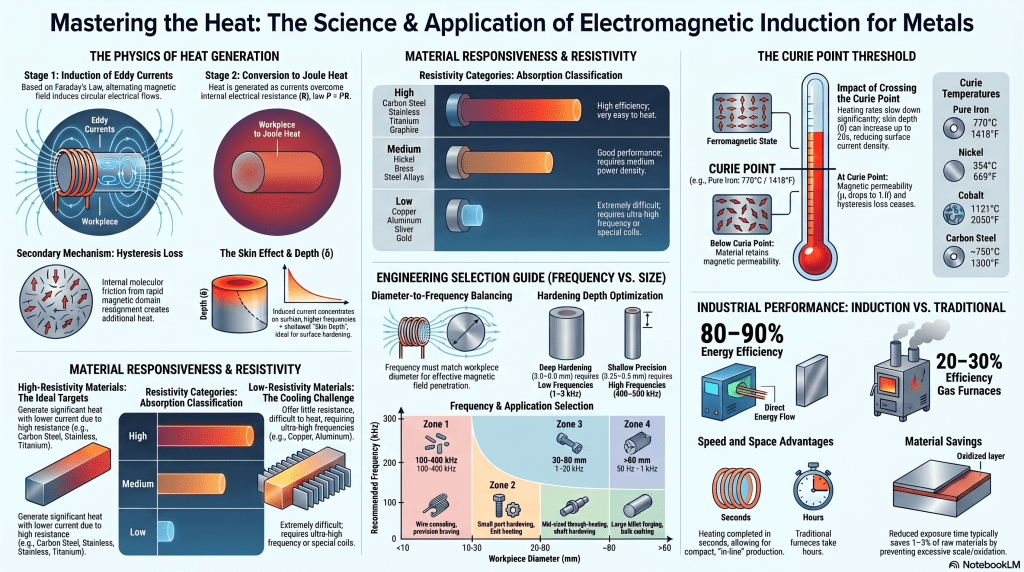
- The Alternating Current: High-frequency electrical power travels through a custom-shaped copper coil, generating an invisible, rapidly oscillating electromagnetic field around it.
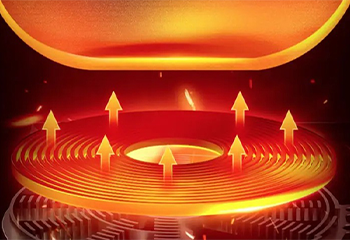
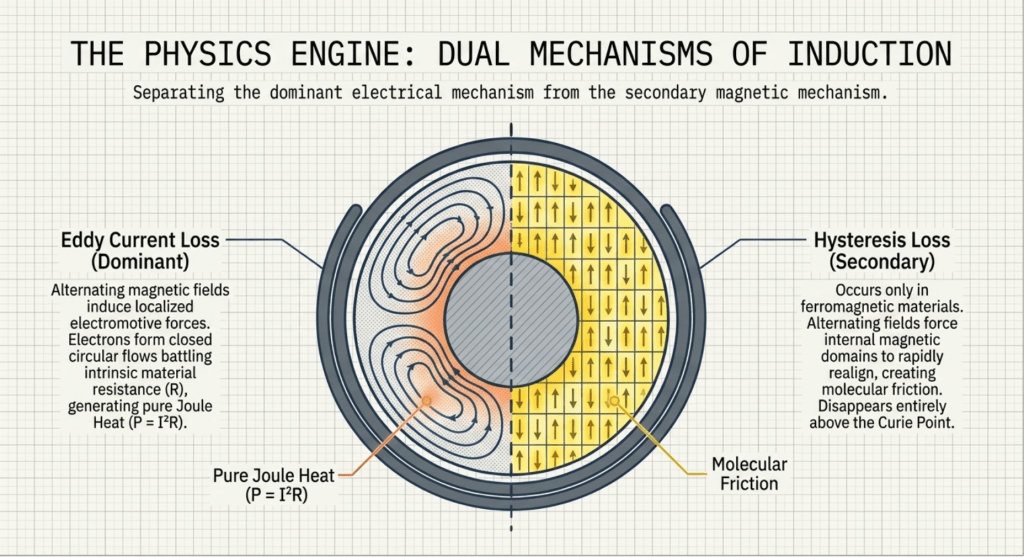
- The Inward Shockwave: When a conductive material—such as a steel rod or an induction-ready frying pan—is placed inside this dynamic magnetic field, it triggers internal electrical currents within the object.
- The Friction Effect: These internal currents, known as eddy currents, circulate through the metal. As they encounter natural resistance within the material’s atomic structure, that resistance instantly transforms the electrical energy into direct heat.
Because this thermal transformation occurs internally, there is no need for physical contact between the heating system and the object being heated. The instant the power turns off, the generation of heat stops immediately.
Industrial Induction Heating Systems: Speed, Precision, and Green Manufacturing
In heavy industrial manufacturing, induction heating has quickly become the preferred standard, actively replacing old-school gas-fired and electrical resistance furnaces. Factory managers rely on this modern approach for several key operational advantages:
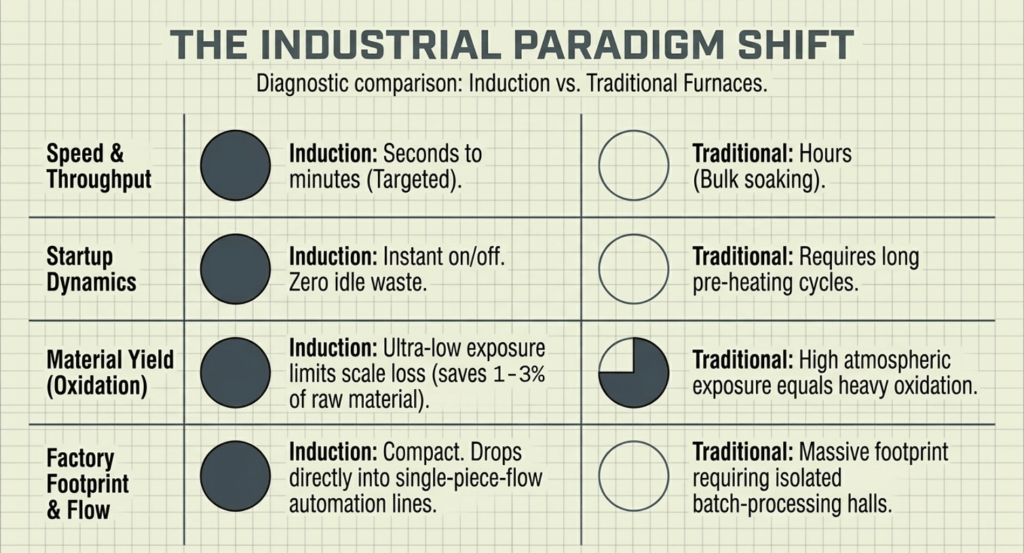
Extreme Speed and High Throughput
Because energy is generated instantly inside the workpiece, metal components can skyrocket past one thousand degrees Celsius in just a matter of seconds. This instantaneous response eliminates the long, costly preheating times associated with traditional industrial ovens.
Precise Localization (The Skin Effect)
High-frequency currents naturally tend to concentrate on the outermost layer of a metal object—a phenomenon known to engineers as the skin effect. This behavior allows manufacturing plants to precisely harden the outer wear-resistant layer of gears and shafts while keeping the inner core ductile and resilient against impacts.
Drastic Reductions in Material Waste
When metals are left inside a traditional gas-fired furnace for hours, the prolonged exposure to ambient oxygen creates a thick layer of surface rust and degradation known as slag or mill scale. The lightning-fast speeds of electromagnetic heating minimize this atmospheric exposure, reducing raw material waste by one to three percent across large-scale production lines.
The Modern Induction Cooktop: Revolutionizing the Residential Kitchen
The very same electromagnetic technology that melts and shapes industrial metals is also transforming how we prepare meals at home. By scaling down high-frequency power supplies, home appliance manufacturers have created the modern induction cooktop—the fastest, safest, and most precise cooking appliance available today.
Unparalleled Cooking Speed
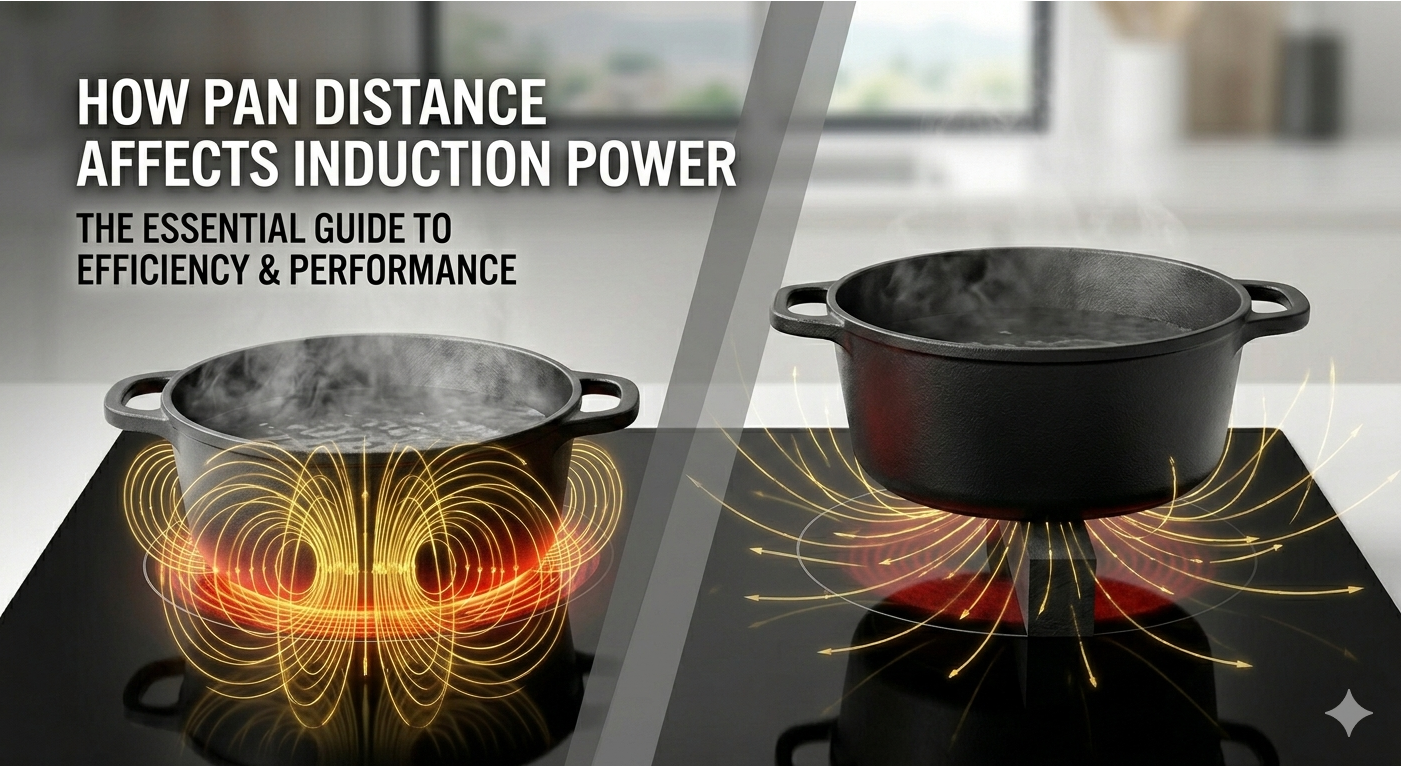
An induction range can boil water in less than half the time of a standard residential gas burner. Because the pan itself becomes the heating element, energy transfer is direct and immediate.
Safe-to-Touch Cooking Surfaces
Because the glass cooktop surface does not generate any heat on its own, it stays relatively cool throughout the cooking process. The glass only warms slightly from its direct contact with the bottom of the hot pan, dramatically reducing the risk of accidental burns and preventing spilled food from baking onto the surface.
Industry-Leading Efficiency
Traditional gas stoves release over half of their total thermal energy into the surrounding kitchen air, operating at a meager efficiency rate of around twenty to thirty percent. In stark contrast, induction cooktops convert eighty to ninety percent of their electromagnetic energy directly into heat inside the cookware, keeping your home cooler and lowering your monthly utility bills.

The Metallic Compatibility Checklist
Because this technology relies entirely on magnetic fields, your choice of material matters significantly. Different metals react uniquely to electromagnetic fields:
- The Ideal Matches (Carbon Steel & Iron): Boasting high magnetic permeability and natural electrical resistance, these metals absorb electromagnetic energy with exceptional efficiency, making them ideal for both factory floors and home kitchens.
- The Non-Magnetic Challenges (Stainless Steel & Titanium): While non-magnetic stainless steel and titanium don’t benefit from magnetic friction, their high electrical resistance still allows them to heat up beautifully under the right system frequency.
- The Conductive Hurdles (Copper & Aluminum): Because copper and aluminum are exceptional electrical conductors, current flows through them with almost zero resistance. As a result, they generate very little internal heat and are incredibly difficult to process unless an industrial system uses specialized high-frequency power units, or a consumer pan features a built-in magnetic iron base plate.
Looking Ahead: The Next Generation of Induction
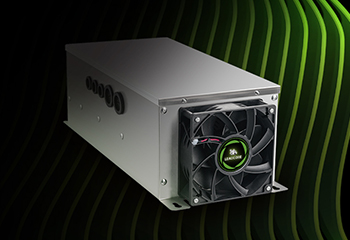
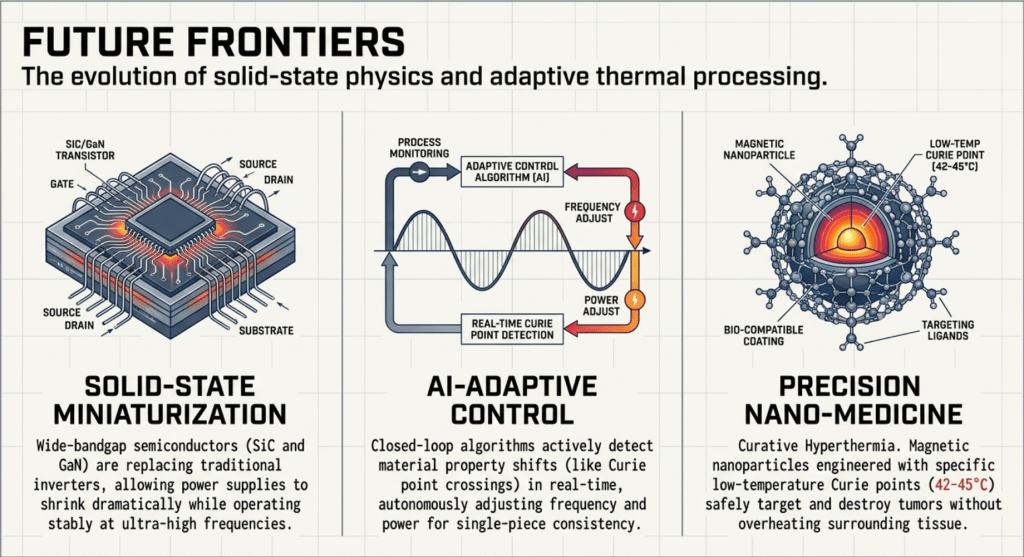
As the world shifts toward cleaner, fully electrified systems, induction technology continues to break new ground. The introduction of advanced wide-bandgap semiconductors is allowing modern power supplies to become smaller, lighter, and more energy-efficient than ever before.
At the same time, artificial intelligence and real-time sensor feedback loops are enabling industrial systems to instantly adjust their operating frequencies on the fly, optimizing energy consumption even when working with complex, non-magnetic alloys.
Whether delivering flawless, high-strength parts for automotive assembly lines or bringing Michelin-star temperature control to home kitchens, electromagnetic heating stands out as a clean, precise, and highly efficient force shaping the future of thermal technology.