

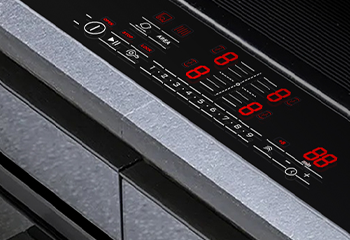




Electric heating is a process in which electrical energy is converted directly to heat energy. Common applications include space heating, cooking, water heating and industrial processes.
An electric heater is an electrical device that converts an electric current into heat.
The heating element inside every electric heater is an electrical resistor, and works on the principle of Joule heating: an electric current passing through a resistor will convert that electrical energy into heat energy.
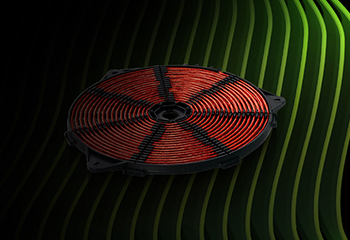
Most modern electric heating devices use nichrome wire as the active element; the heating element, depicted on the right, uses nichrome wire supported by ceramic insulators.
| Technology | Mechanism | Cooktop Examples | Efficiency |
| Resistive Heating | Direct current flow through conductor | Ceramic/coil cooktops | 65–75% |
| Induction | Eddy currents induced in ferrous cookware | Traditional/Flexible induction | 90%+ |
| Infrared/Halogen | Radiative heating via filaments/quartz | Glass-ceramic radiant cooktops | 60–70% |
| PTC Ceramic | Positive Temp Coefficient self-regulation | Portable heaters, warming drawers | >80% |
Thermal Workflow:
1.Electric current energizes NiCr wire → heats to 600–1100°C
2.Heat transfers by conduction to aluminum spreader
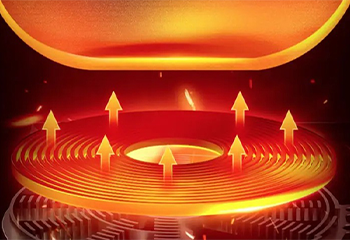
3.Spreaders radiate heat upward through glass toward cookware