






In the landscape of thermal processing, induction heating technology has emerged as the gold standard for precision, safety, and sustainability. Whether in a high-capacity industrial foundry or a professional culinary kitchen, the performance of an induction cooktop or heater depends entirely on its internal architecture. Among various configurations, the Half-Bridge Resonant Inverter stands out as the most reliable and efficient power topology available today.

1. Understanding the Principles of Induction Heating
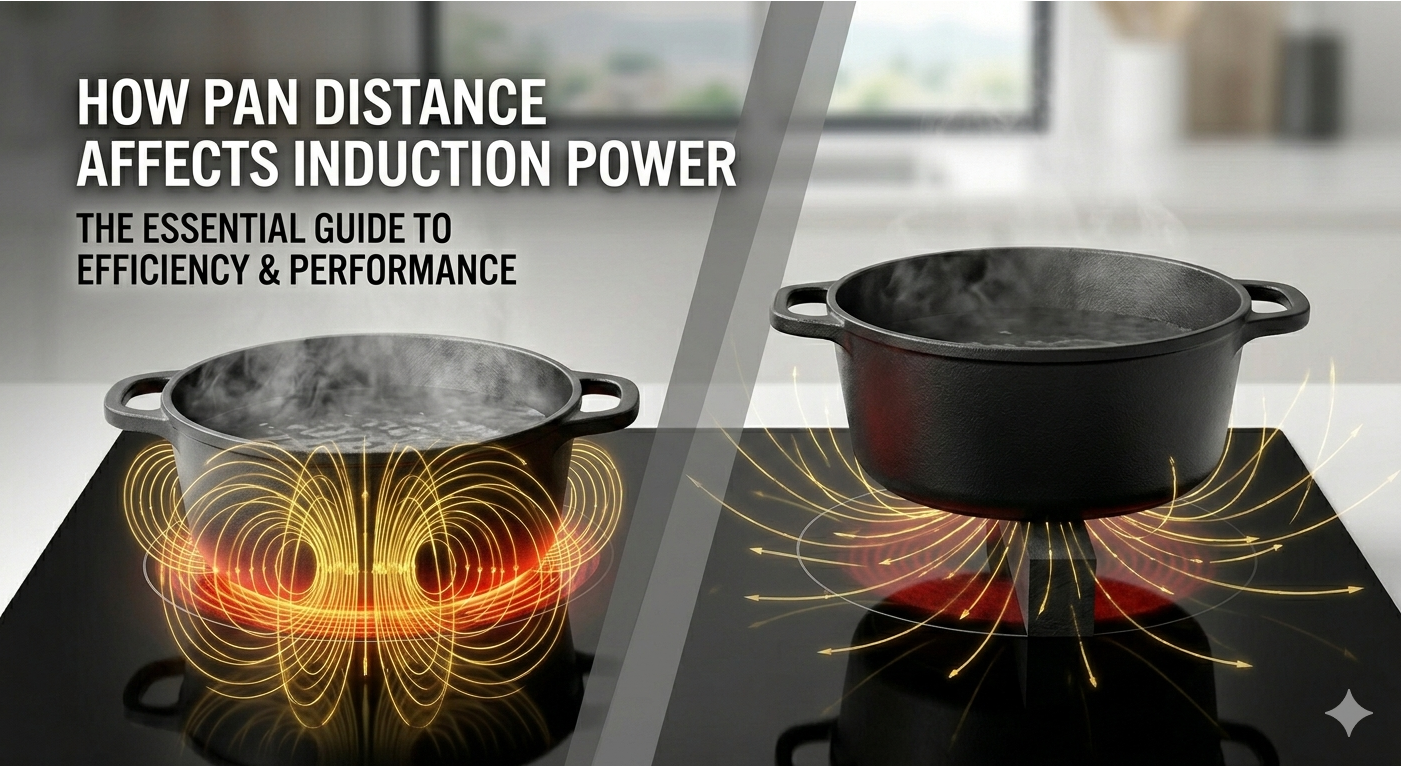
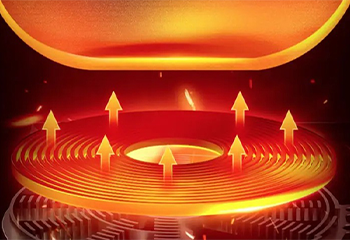
To understand why induction heating is superior to gas or traditional electric resistance, we must look at the physics of energy transfer. Unlike methods that rely on thermal conduction, induction generates heat directly within the target material.
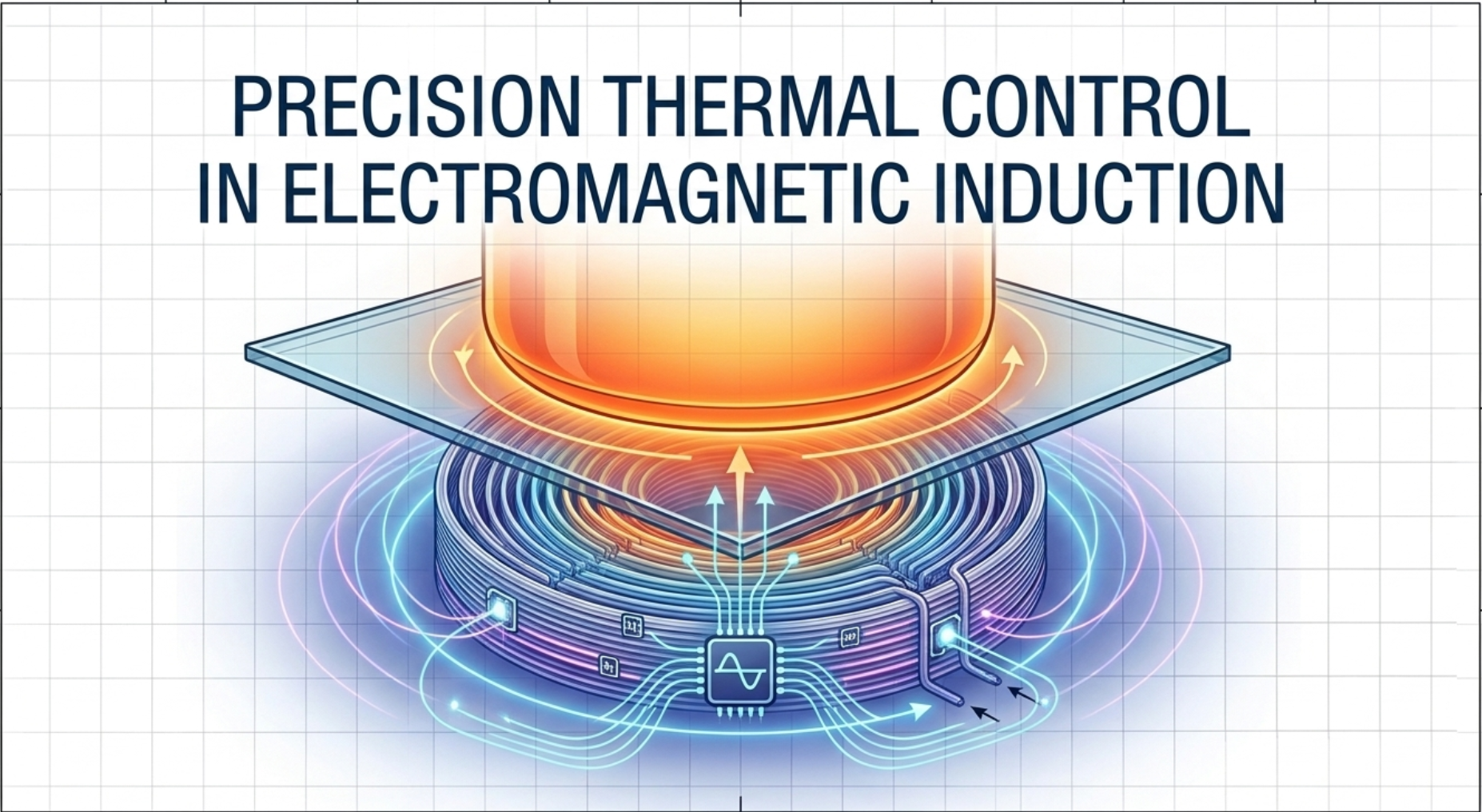
How the Magnetic Field Creates Heat
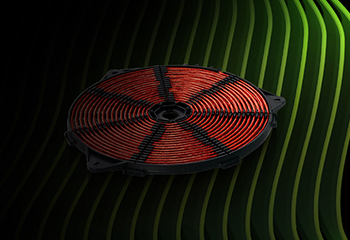
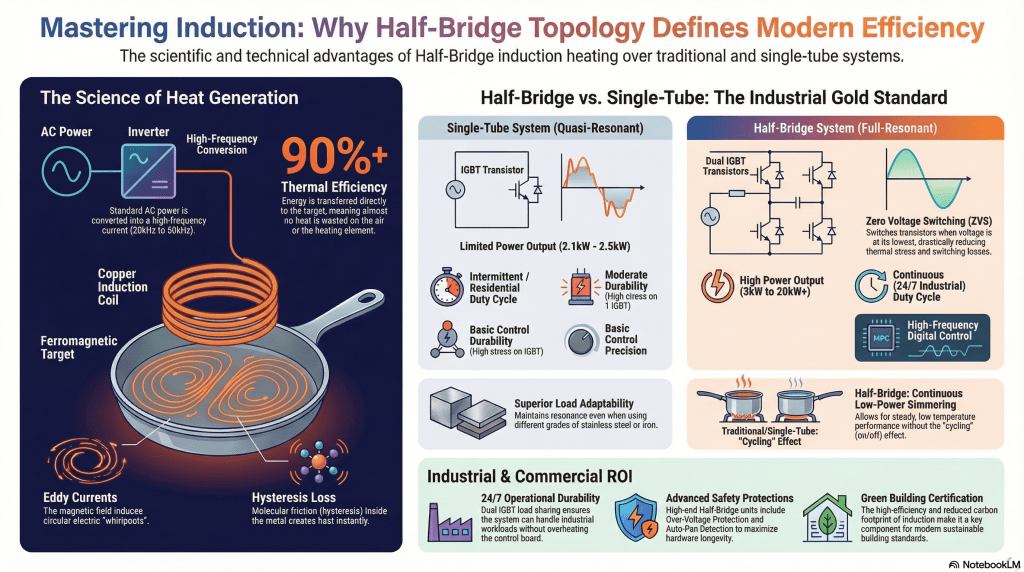
A high-frequency Half-Bridge circuit converts standard AC power into a high-frequency alternating current (typically between 20kHz and 50kHz). As this current passes through a copper induction coil, it creates a rapidly oscillating magnetic field. When a ferromagnetic object is placed within this field, two distinct physical phenomena occur:
- Eddy Currents: The magnetic field induces circular electric “whirlpools” within the metal. The resistance of the metal to these currents generates instantaneous heat.
- Hysteresis Loss: In magnetic materials, the molecular structure constantly realigns with the shifting magnetic poles, creating internal friction that contributes to the thermal output.
This process ensures a thermal efficiency of over 90%, as energy is not wasted heating the air or the heating element itself.
2. Half-Bridge vs. Single-Tube: The Technical Edge
In the market for induction technology, you will often encounter two types of circuits: Single-Tube (Quasi-Resonant) and Half-Bridge (Full-Resonant). For industrial-grade applications, the Half-Bridge design is the clear winner.
Stability and Load Adaptability
One of the biggest challenges in induction heating is maintaining performance across different materials (e.g., varying grades of stainless steel or iron). The Half-Bridge topology is inherently more robust, adapting to changes in load without losing the resonance frequency.
Advanced Power Delivery (ZVS Technology)
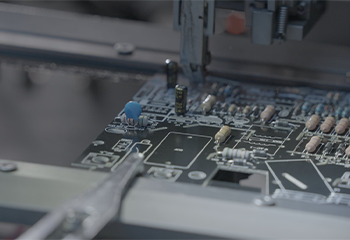
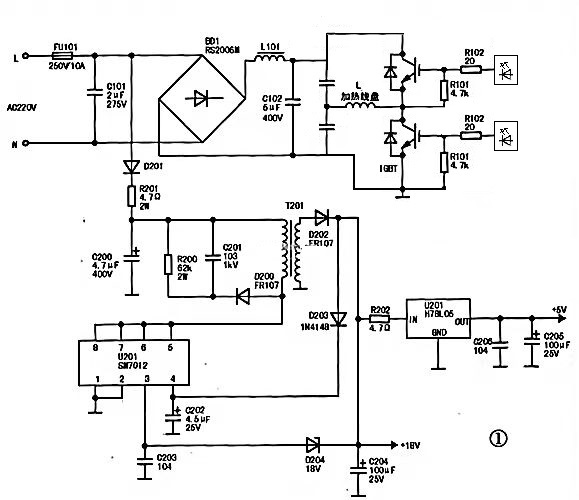
The Half-Bridge configuration utilizes two IGBTs (Insulated Gate Bipolar Transistors) that switch in a complementary manner. This allows for Zero Voltage Switching (ZVS)—a technique where the transistors switch “on” or “off” when the voltage is at its lowest point. This drastically reduces:
- Switching Losses: Resulting in higher energy savings.
- Thermal Stress: Keeping the internal control board cooler and extending its lifespan.
3. Key Advantages for Industrial and Commercial Use
| Performance Metric | Single-Tube System | Half-Bridge System |
| Max Power Output | Limited (Up to 2.1kW – 2.5kW) | High (3kW to 20kW+) |
| Duty Cycle | Intermittent / Residential | Continuous (24/7 Industrial) |
| Durability | Moderate (High stress on 1 IGBT) | Superior (Dual IGBT Load Sharing) |
| Control Precision | Basic | High-Frequency Digital Control |
4. Designing the Ultimate Induction Cooktop: A Buying Guide
If you are sourcing an induction cooktop for commercial or heavy-duty home use, the internal “engine” matters more than the glass surface. To ensure the best ROI, look for the following EEAT-certified (Experience, Expertise, Authoritativeness, Trustworthiness) features:
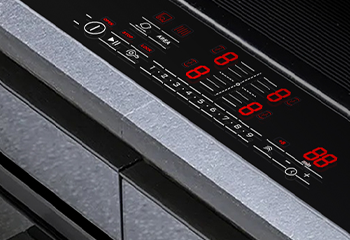
- Continuous Low-Power Simmering: Only Half-Bridge technology allows a cooktop to maintain a steady, low-temperature simmer without the “cycling” effect (turning on and off) found in cheaper models.
- Safety Features: Ensure the unit includes Over-Voltage Protection and Auto-Pan Detection to maximize the longevity of the induction technology.
- Energy Efficiency: Look for units that leverage electromagnetic induction to reduce carbon footprints, a key factor in modern green building certifications.
5. Conclusion
The evolution of induction heating continues to drive innovation across the manufacturing and appliance industries. By prioritizing Half-Bridge topology, businesses can achieve higher power density, better reliability, and unmatched precision. As global energy standards tighten, investing in high-frequency induction technology is no longer just an upgrade—it is a competitive necessity.