1. Hotelex Shanghai 2026: The Epicenter of Culinary Automation

The Hotelex Shanghai 2026 has set a new benchmark for the global hospitality and catering industry. Spanning over 400,000 square meters, this year’s exhibition moved beyond traditional kitchenware, spotlighting the inevitable transition toward AI-driven kitchen automation.
Among the thousands of exhibitors, the most crowded booths shared a common centerpiece: the Automatic Cooking Robot. From compact countertop units for cafes to massive industrial stir-fry stations for central kitchens, these machines are no longer futuristic prototypes—they are essential solutions for labor shortages and the quest for culinary consistency.
2. The Dominance of Induction Heating in Robotic Cooking

While walking through the halls of Hotelex, a technical trend became crystal clear: Induction heating (IH) has officially replaced gas as the preferred energy source for high-end automatic cooking machines.
The integration of induction technology into these robots isn’t just about being “electric”; it’s about the precision and physics of thermal management that gas simply cannot replicate.
Why Induction is the “Brain” of the Cooking Robot
To understand why industry leaders are pivoting to induction, we must look at the internal architecture of these machines.
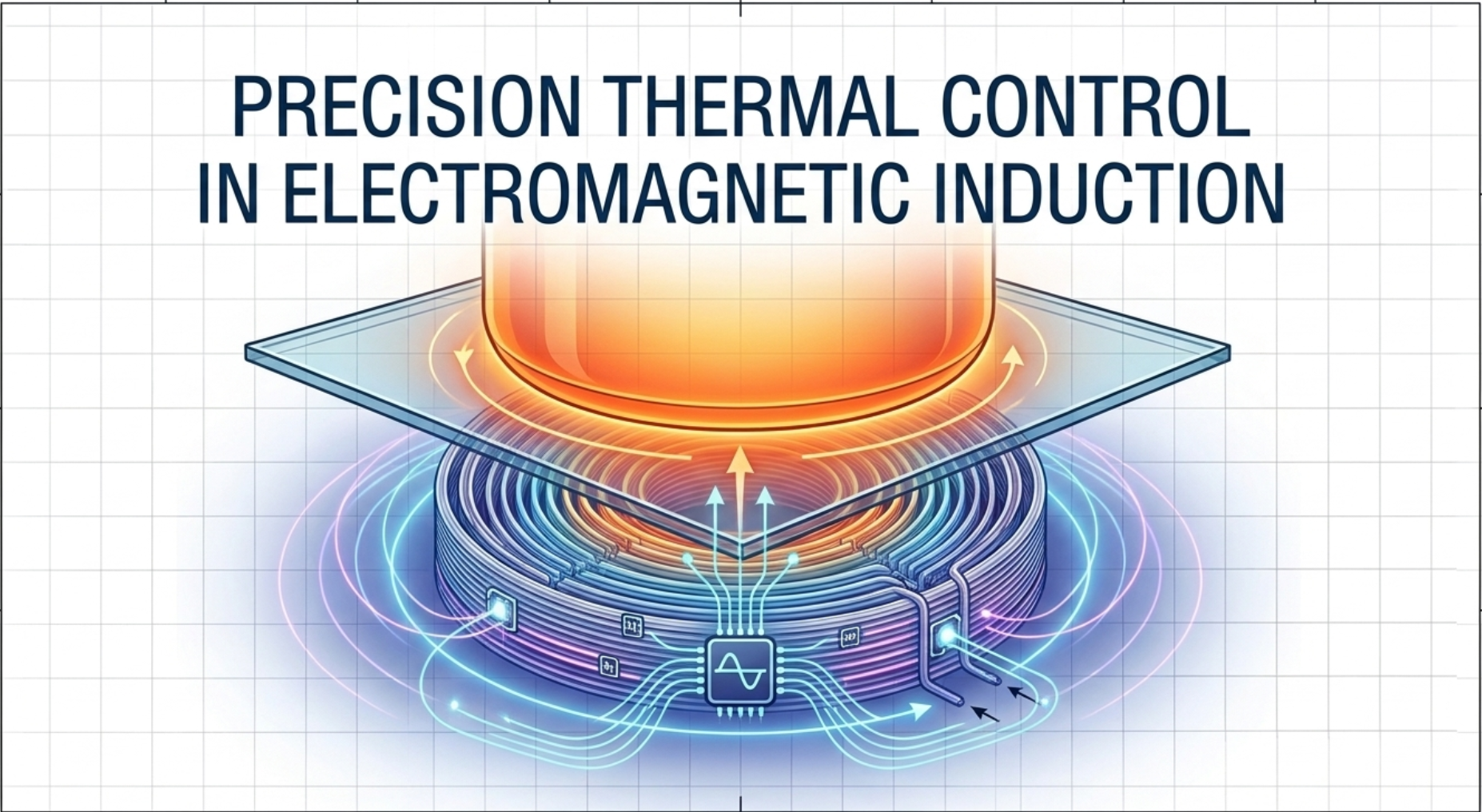
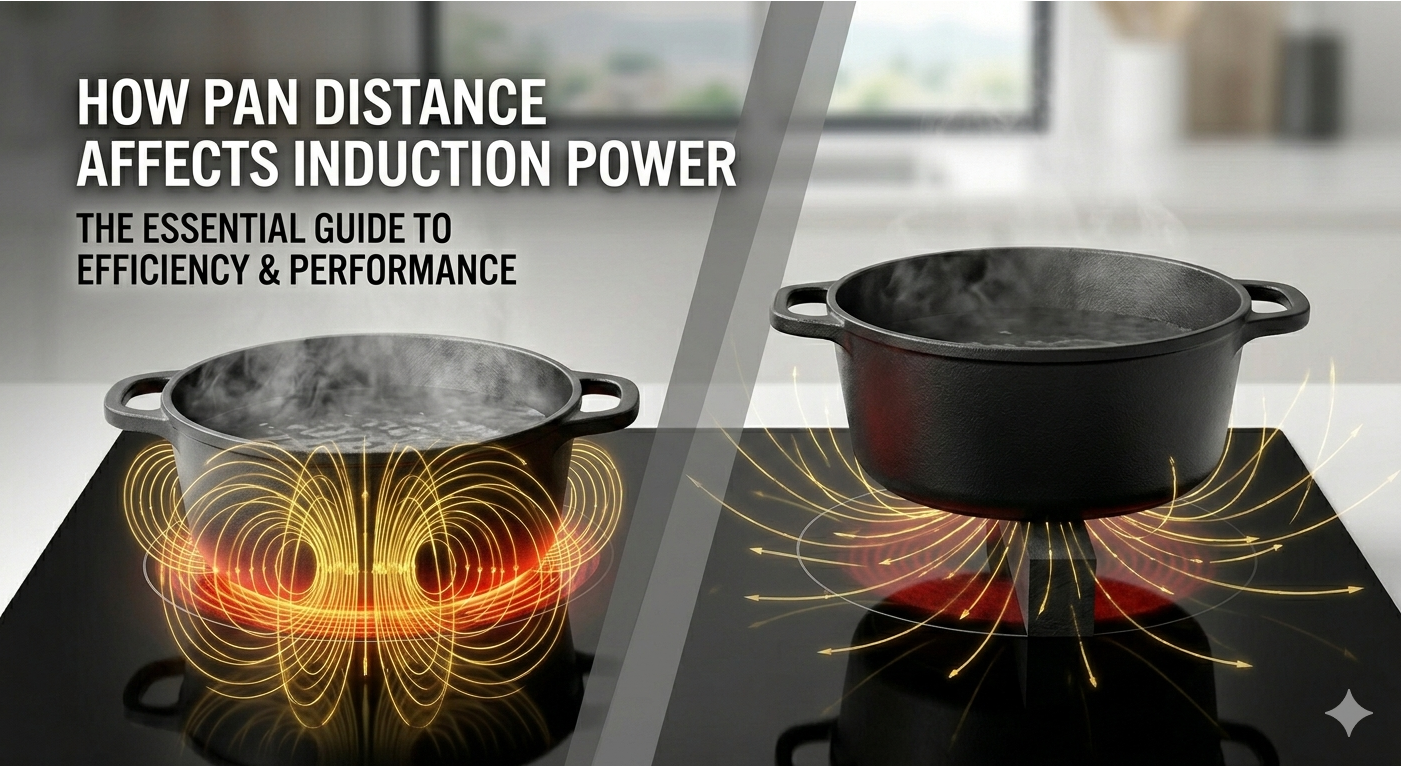
Technical Insight: Unlike traditional methods that heat the air around a pan, an induction heating system uses a copper coil to create a high-frequency alternating magnetic field.
- Thermal Efficiency & Speed: Automatic robots require rapid temperature spikes to achieve Wok Hei (the “breath of the wok”). Induction offers a thermal efficiency of over 90%, allowing the vessel to reach 200°C in seconds.
- Precision Control via Eddy Currents: Through electromagnetic induction, the system induces eddy currents directly within the ferrous metal of the cooking drum. This allows the robot’s AI to control heat with $\pm 1^\circ\text{C}$ precision, ensuring every batch of fried rice is identical.
- Safety in Automation: Since the surface of the induction coil remains cool, there is a significantly reduced risk of fire or grease ignition within the robotic enclosure—a critical factor for unmanned 24/7 kiosks.
3. Anatomy of an Induction-Powered Cooking Robot
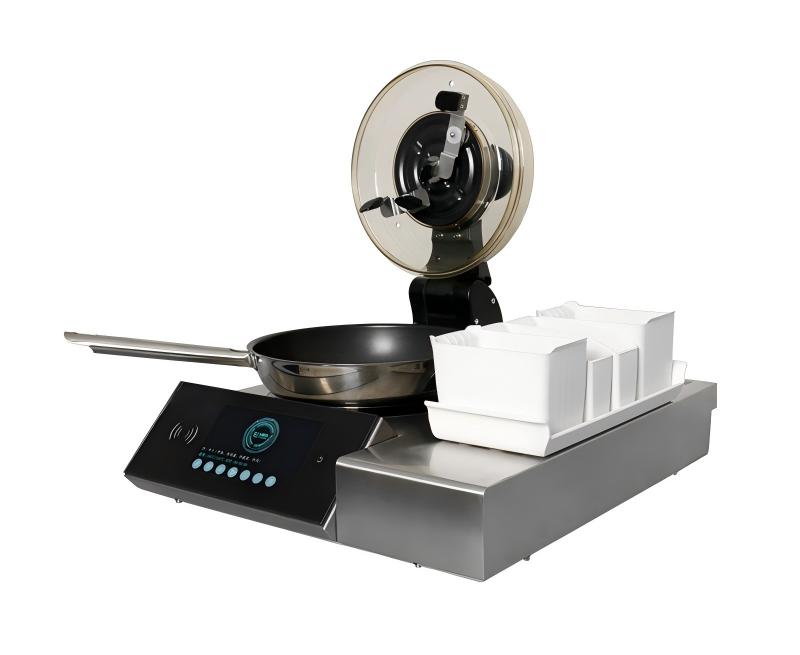
To help our B2B clients and tech enthusiasts visualize this synergy, here is the typical structural breakdown of the award-winning units seen at Hotelex:
| Component | Function |
| High-Frequency Coil | Generates the magnetic field. |
| Intelligent IGBT Module | Manages power switching and frequency. |
| Rotating Ferrous Drum | The heating vessel (Wok) that reacts to the field. |
| Thermal Sensors | Real-time IR monitoring of food temperature. |
4. Why This Matters for the 2026 Market
As we analyze the feedback from Hotelex Shanghai 2026, the message for restaurant owners and equipment manufacturers is clear: Efficiency is the only way forward.
The combination of induction technology and robotics solves the three greatest pain points in modern foodservice:
- Energy Costs: Reduced heat waste lowers air conditioning bills.
- Consistency: Algorithms don’t get tired; induction doesn’t fluctuate like gas pressure.
- Space Optimization: Induction-based robots have a smaller footprint, allowing for “dark kitchens” to maximize output in urban centers.
5. Conclusion: The Induction Revolution
Whether you are looking for a high-performance induction cooktop for a boutique bistro or an industrial-scale induction heating solution for a robotic production line, the innovations at Hotelex 2026 prove that the magnetic field is the future of heat.
The era of manual, inconsistent, and high-emission cooking is ending. The era of the Induction Cooking Robot has begun.