In the landscape of modern thermal engineering, the intersection of traditional craftsmanship and advanced material science is rare. However, Miyawo Company Ltd., a centennial Japanese pioneer, has bridged this gap. By evolving the ancient “Banko-yaki” pottery tradition into the cutting-edge Thermatec™ induction technology, Miyawo has solved the fundamental conflict between ceramic insulation and electromagnetic efficiency.

1. Beyond Traditional Ceramics: The LAS Material Revolution
Standard ceramics often fail under the intense, localized heat of an induction hob. To overcome this, Miyawo utilizes a specialized Lithium Aluminum Silicate (LAS) system, specifically enriched with Petalite.
The physical advantages of this “Technical Ceramic” base include:
- Near-Zero Thermal Expansion: While traditional pottery expands and cracks under rapid temperature changes, LAS ceramics maintain dimensional stability.
- Extreme Thermal Shock Resistance: Thermatec products can withstand a temperature gradient of over 350°C (up to 500°C), allowing for a seamless transition from a cold refrigerator to a high-heat induction burner.
- High Thermal Conductivity: With a rating of 2.0 W/m·K, it outperforms standard earthenware by nearly 100%, ensuring faster heat-up times and lower energy consumption.
2. All-in-One Integrated Induction Architecture
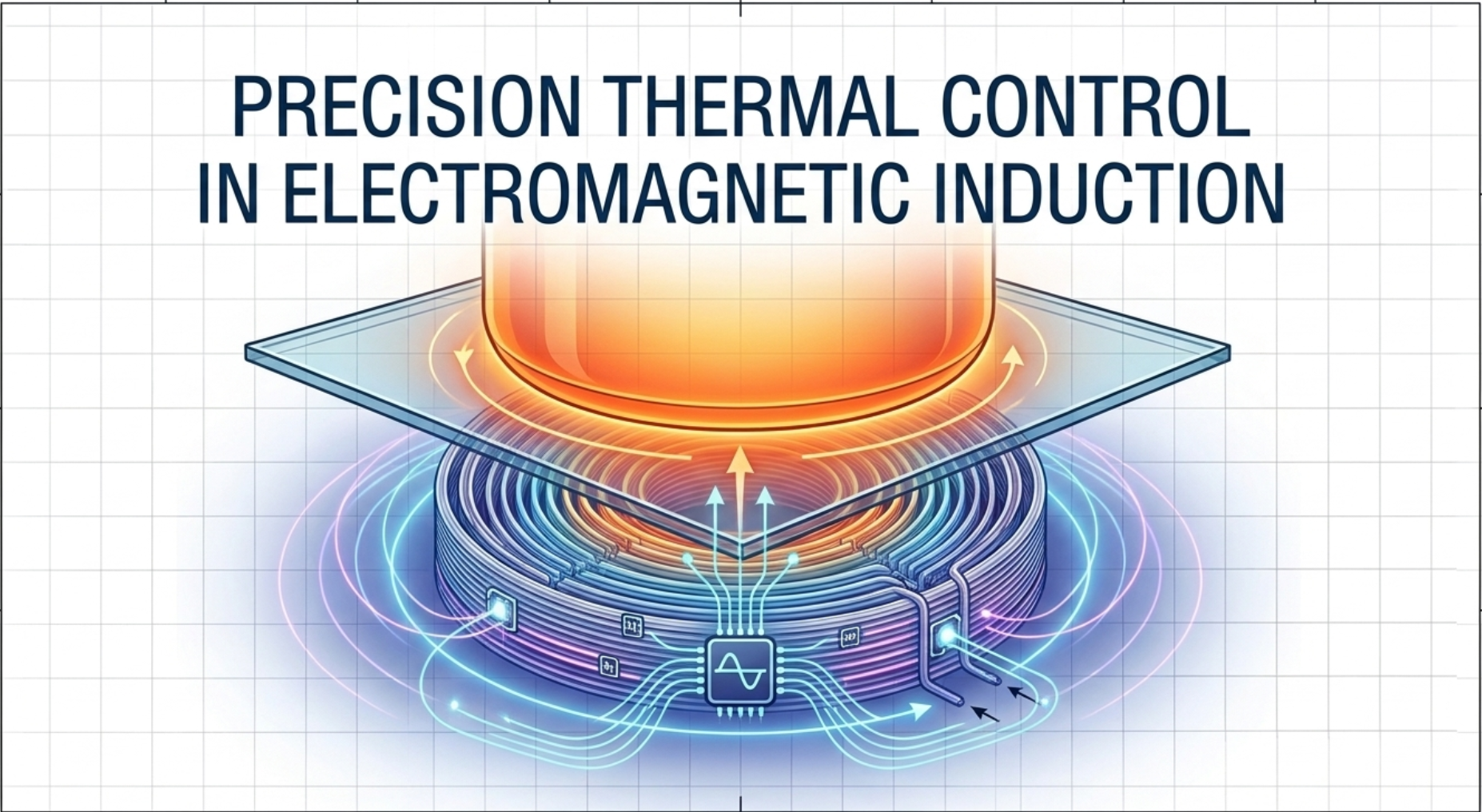
The core innovation of Miyawo is the “Integrated Molding” of the induction heating element. Unlike budget induction cookware that uses a “sandwich” steel plate, Miyawo employs a multi-layer thin-film deposition process.
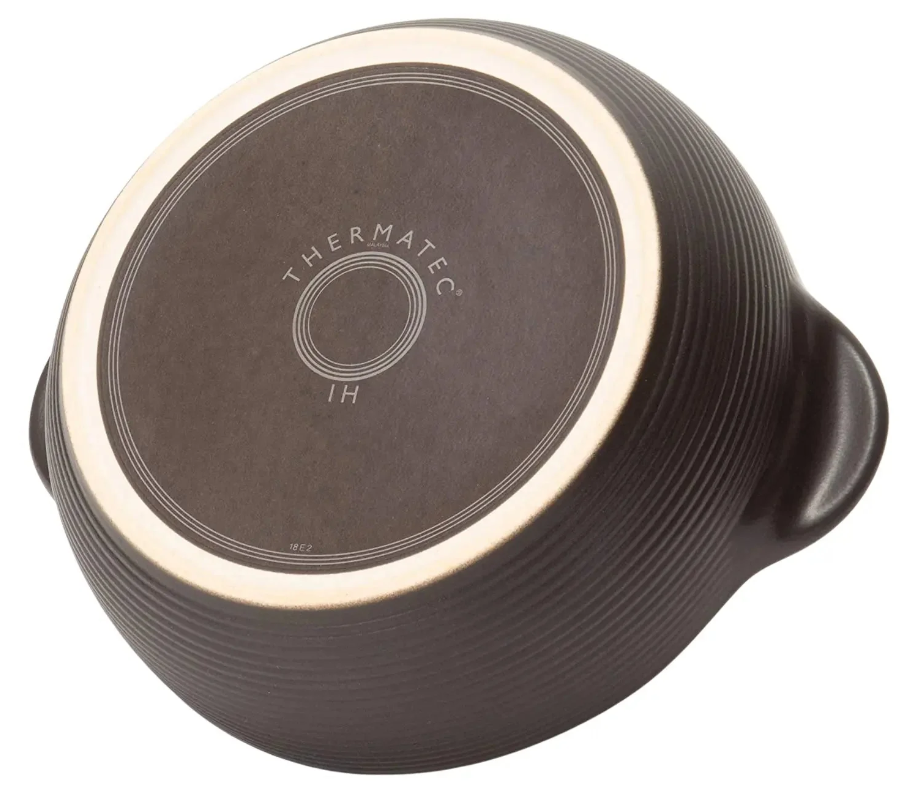
The Anatomy of a Thermatec Base:
- Interface Bonding Layer: A metal-ceramic hybrid that chemically bonds to the oxide substrate, preventing peeling during repeated heat cycles.
- Electromagnetic Response Layer (Silver Vapor Deposition): Utilizing high-purity silver, this layer generates controlled eddy currents when exposed to the induction coil’s magnetic field.
- Protective Glass Glaze: A high-density encapsulation layer that protects the heating element from oxidation, water, and detergents.
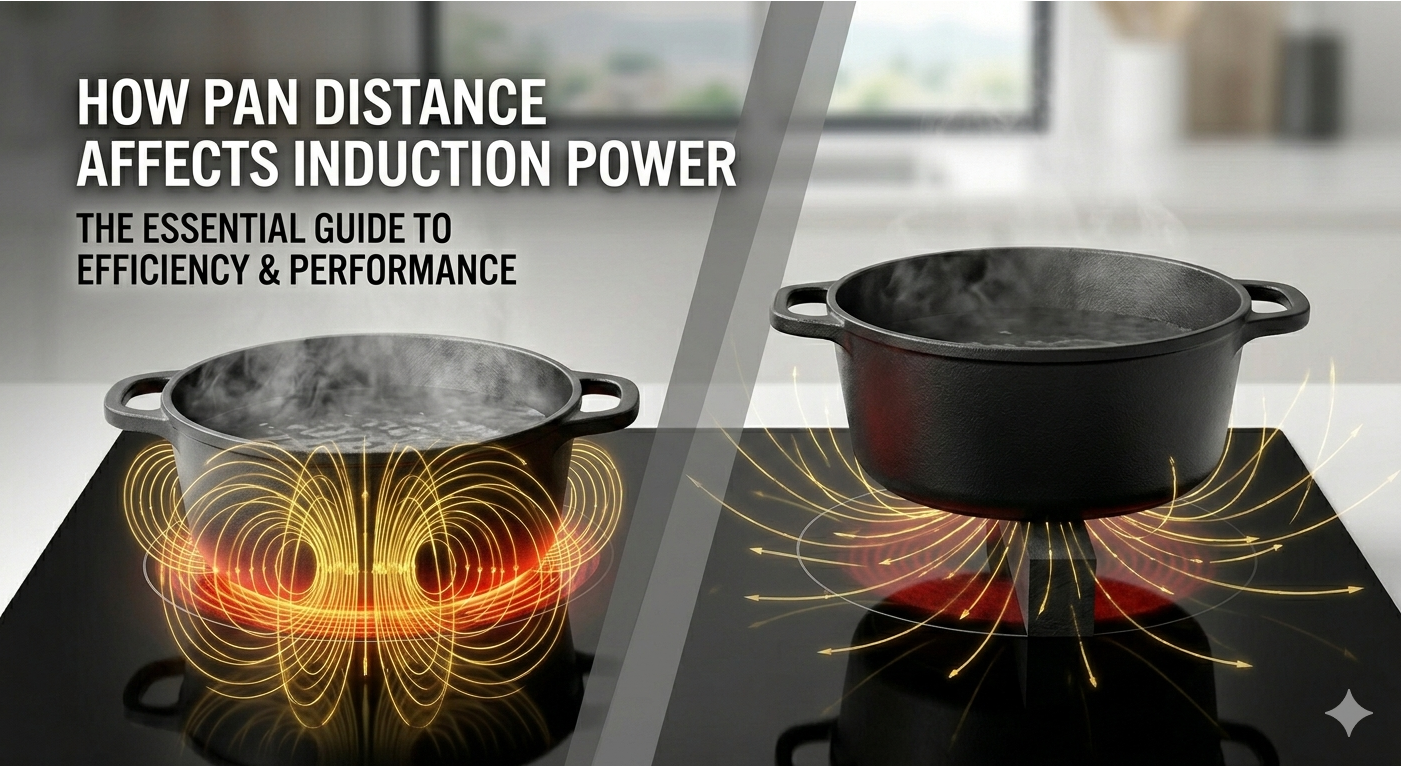
By eliminating the physical air gaps found in traditional heat plates, this integrated structure minimizes thermal resistance, allowing heat to penetrate directly into the food.
3. The Pinnacle of Performance: Far-Infrared Radiation (FIR)
One of the most significant advantages of Miyawo’s induction technology is its ability to emit high-intensity Far-Infrared Radiation.
While metal pots only heat the surface of the food, Miyawo’s ceramic inner pots—famously used in Tiger “Hon-tou-goku” Rice Cookers—emit FIR levels 3 to 4 times higher than stainless steel. This radiation penetrates deep into the core of ingredients (such as rice grains), facilitating a uniform “inside-out” cooking process that preserves moisture and enhances flavor through superior gelatinization.
4. Engineering Precision and Quality Control
Manufacturing a Thermatec induction pot is a feat of industrial discipline. To ensure compatibility with modern IH hobs, Miyawo maintains a dimensional tolerance of ±0.3mm.
This precision is achieved through:
- Bacterial Aging (Maturation): Clay is aged for up to a month to increase plasticity.
- Digital Kiln Management: Precise control over the 10%-15% shrinkage rate during high-temperature firing.
- Consistency: Whether manufactured in Mie, Japan, or their advanced facility in Malaysia, every piece undergoes rigorous thermal shock and dielectric testing.
Conclusion: A New Standard for Induction Technology
From the kitchens of high-end culinary enthusiasts to the complex heating components in industrial dryers, Miyawo’s Thermatec technology represents a paradigm shift. It proves that the “thermal inertia” of ceramics and the “instant response” of induction technology are no longer mutually exclusive.
For manufacturers and consumers seeking the ultimate balance of safety, efficiency, and culinary excellence, Miyawo remains the gold standard in technical ceramics.